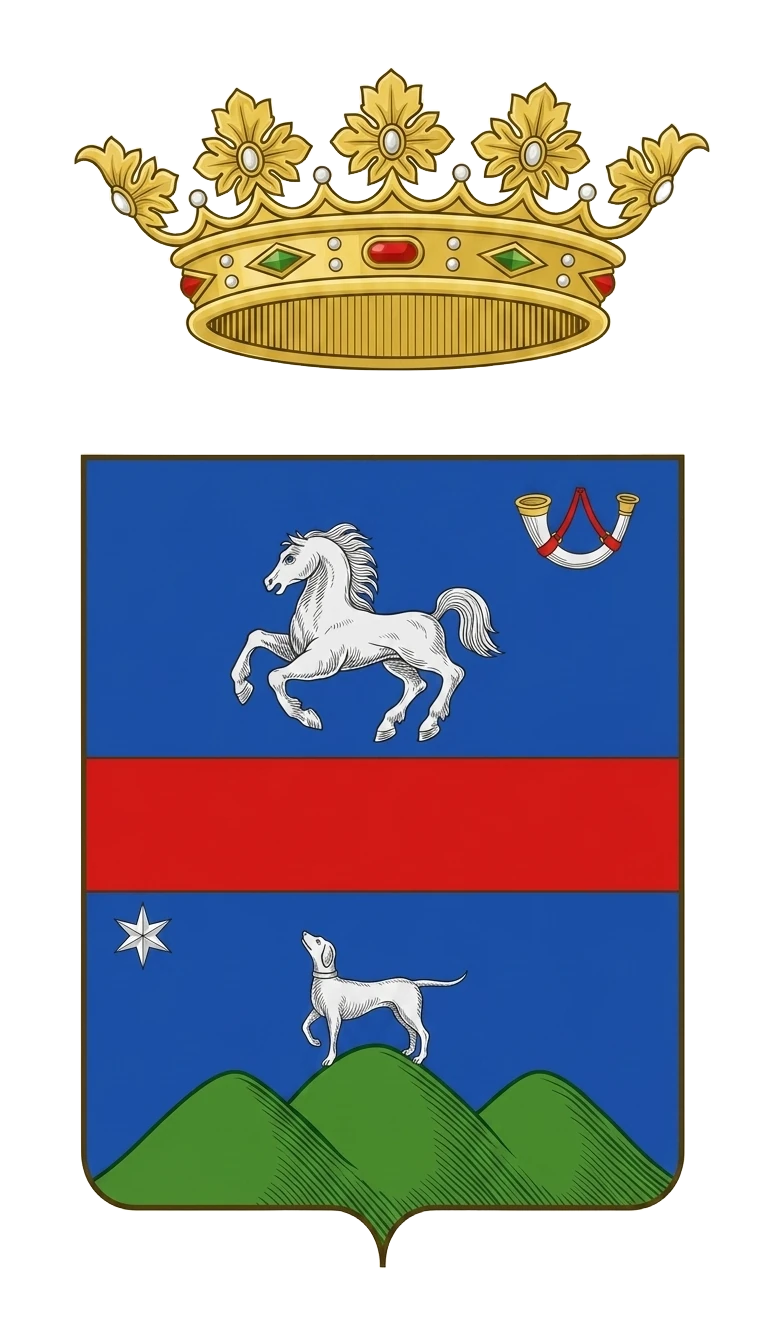
Azure a fess gules; in chief a horse courant and a bugle-horn argent, in base a hound argent upon three mounts vert, gazing at a mullet of six points argent.
Lineage · Stage 6
Della Posta.
Dukes of Civitella Alfedena, 13th – 20th c.
An ancient family of the Abruzzo and Molise, probably of French origin, Lords of Capracotta from 1269 and Dukes of Civitella Alfedena from 1715: feudatories and great «herdsmen» of the transhumance. With Simonetta della Posta (1916–1986), wife in 1939 of Aldo Guerri dall'Oro, the inheritance of the House flows into the Guerri dall'Oro Gallone line.
History of the house.
A family originally from Molise, it enjoyed nobility at Naples, outside the seat, and at Foggia, and was received by justice into the Constantinian Order and the Sovereign Order of Malta (1774). The name of the della Posta would derive from the land or castle of Posta (diocese of Chieti) of which Francesco I († 1276), probably of French-Provençal origin, was feudal holder, besides Palata and Terrabruna.
It is with Francesco I that the social rise of the House begins, when Charles I of Anjou, King of Naples, grants him in 1269 the fief of Capracotta. His son Gentile adds Roccaspinalveti, Montemiglio and San Mauro di Civitella; his grandson Bartolomeo, styled a «devout knight», obtains Civitavecchia, Borrello and Collestefano.
With Scipione I the della Posta move to Frosolone, in the quarter of San Leonardo called «il Borgo». Scipione marries Isabella, daughter of Francesco Marchesano, Baron of Frosolone. From their two sons, Simone I and Graziano II, spring the four main branches of the family.
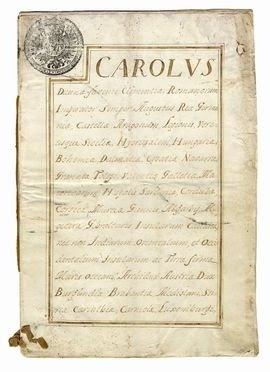
From the branch of Graziano II descend the Barons of Molise and the Barons (1697) then Dukes of Civitella Alfedena (1715). The ducal title is granted to Baron Scipione, son of Domenico Seniore, by diploma of Emperor Charles VI, signed in his own hand «Yo el Rey» (Vienna, 13 February 1715).
The branch becomes extinct in fact with Carlo, 8th Duke († 1983): to safeguard the house, he adopts a great-nephew, Marco Theodoli, who takes the name, the arms and the title, becoming 9th Duke of Civitella Alfedena.
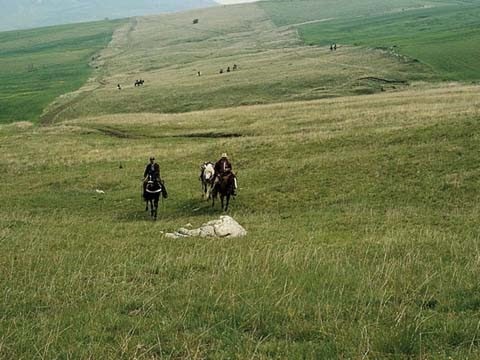
The della Posta, feudatories with large estates, had a notable pastoral activity: the transhumance of the flocks from the Abruzzo to the Tavoliere of Apulia along the «tratturi», regulated by the Dogana delle pecore (Sheep Customs, established at Lucera in 1447 by Alfonso I of Aragon, then at Foggia) and by the Doganella d'Abruzzo (1532).
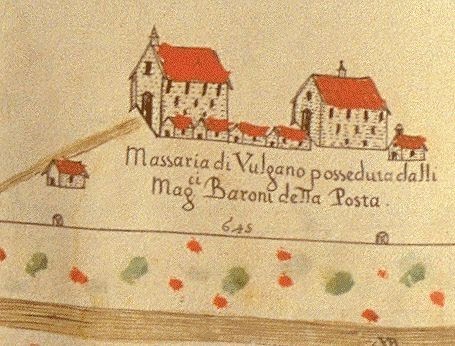
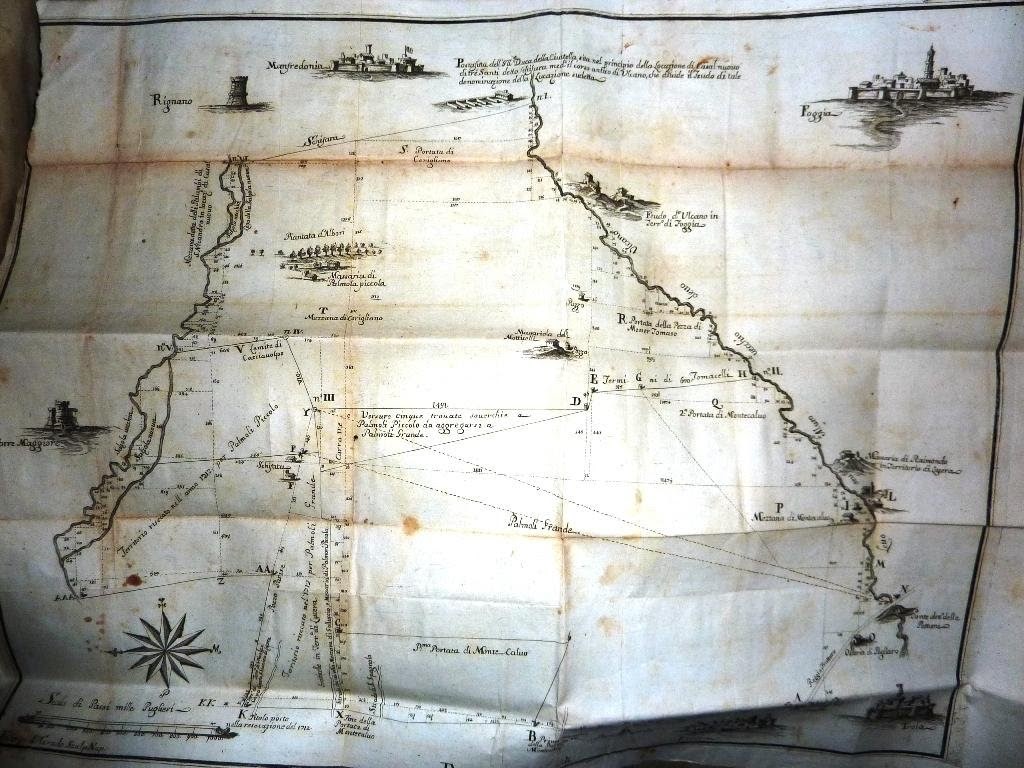
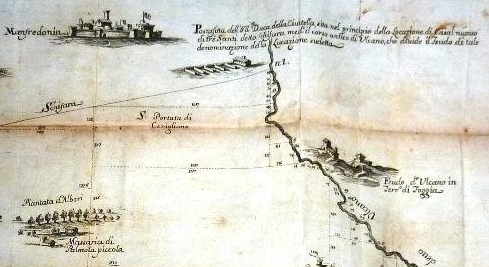
They bought from the Brancia the «rustic and non-noble» fief of Vulgano, near Foggia, with the uninhabited expanse of Schifara, and made of it a «fixed post»: a great masseria, with a manorial dwelling and buildings for men, animals and provisions, enjoyed every year by the same «tenant». Disputes were not lacking, such as that of 1713 over the demesne pastures of Frosolone, which the vassals — among them the very rich D'Alena — refused to put under cultivation. The régime lasted until 1806, when the laws abolishing feudalism dismembered the tratturi system.
Augusto III della Posta (1890–1970), 7th Duke of Civitella Alfedena, marries in 1915 Maria Bianca Gallone (1895–1982), 10th Princess of Tricase and 7th of Moliterno, last of the Gallone House.
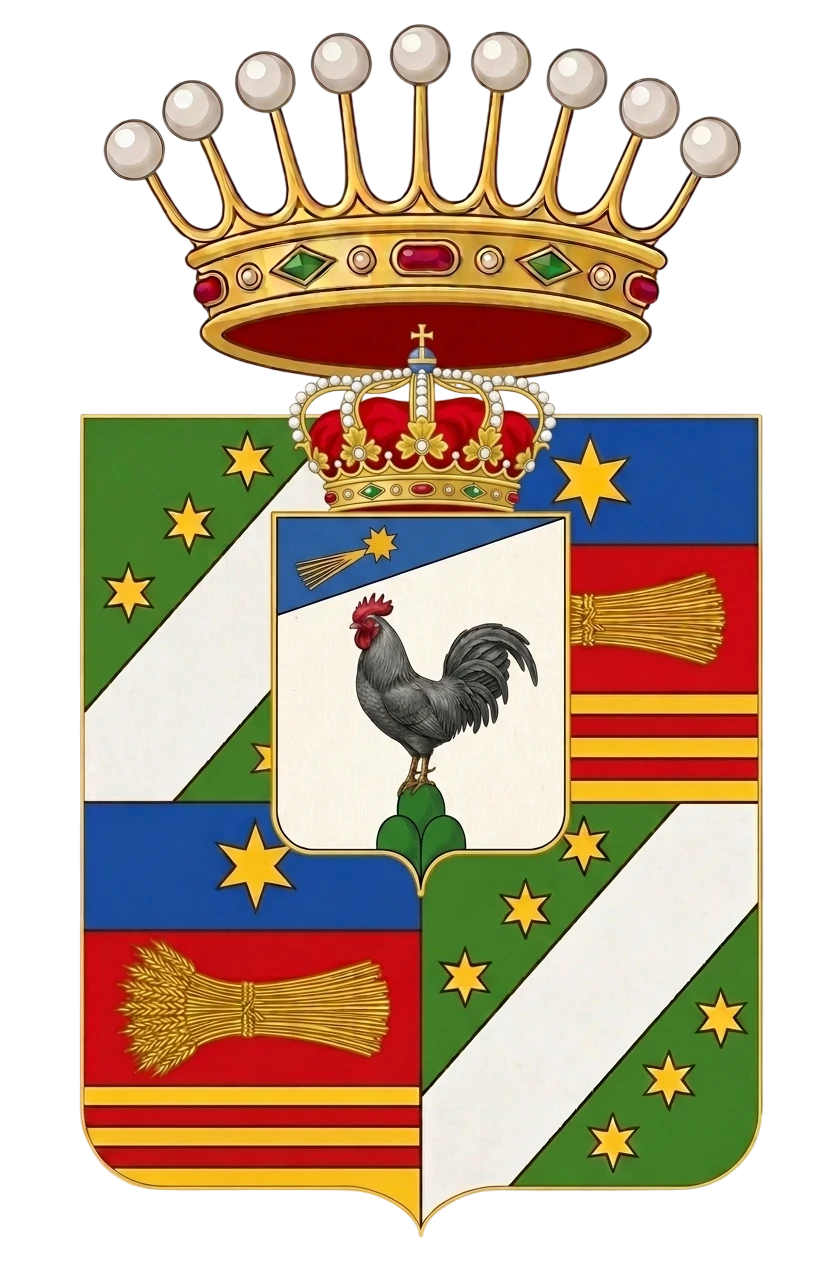
Their daughter Simonetta della Posta (1916–1986) marries in 1939 Aldo Guerri dall'Oro: the inheritance of the della Posta and the titles of the Gallone thus flow into the House of Guerri dall'Oro Gallone, today represented by Simon.
The four branches della Posta.
From the two sons of Scipione I — Simone I and Graziano II — spring the four main branches of the family. Only that of the Dukes of Civitella Alfedena converges into the present line.
The branch of the Barons of Vulgano became extinct with two sisters who married two cousins, carrying the baronial title to Civitella Alfedena and to Grottaminarda. The branch of the Dukes of Civitella became extinct in fact with Carlo, 8th Duke († 1983), who adopted Marco Theodoli, 9th Duke.
Family tree of the house.
Titles and fiefs of the della Posta
Dukes, Barons and Lords.
Possessions and fiefs
Between Abruzzo, Molise and Apulia.
Documents and images
Tratturi, masserie and documents.