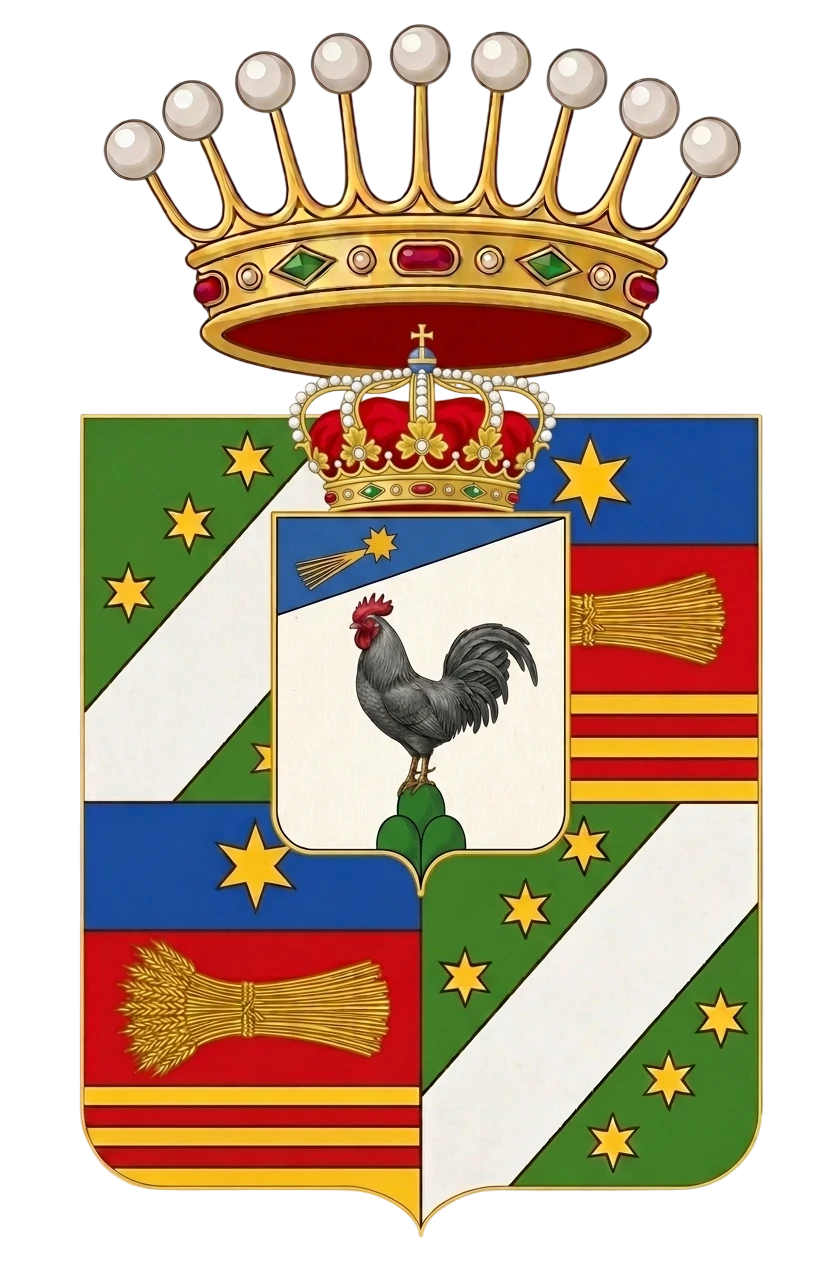
Place · House of Pignatelli → House of Gallone · Basilicata
Marsiconovo.
The Principality that leaves the Tricase line.
A town of inner Basilicata (today named Marsico Nuovo), seat of the ancient Principality of Marsiconovo. Like Moliterno, the title is joined to the House of Gallone through the Pignatelli-Gallone marriage of 1796.
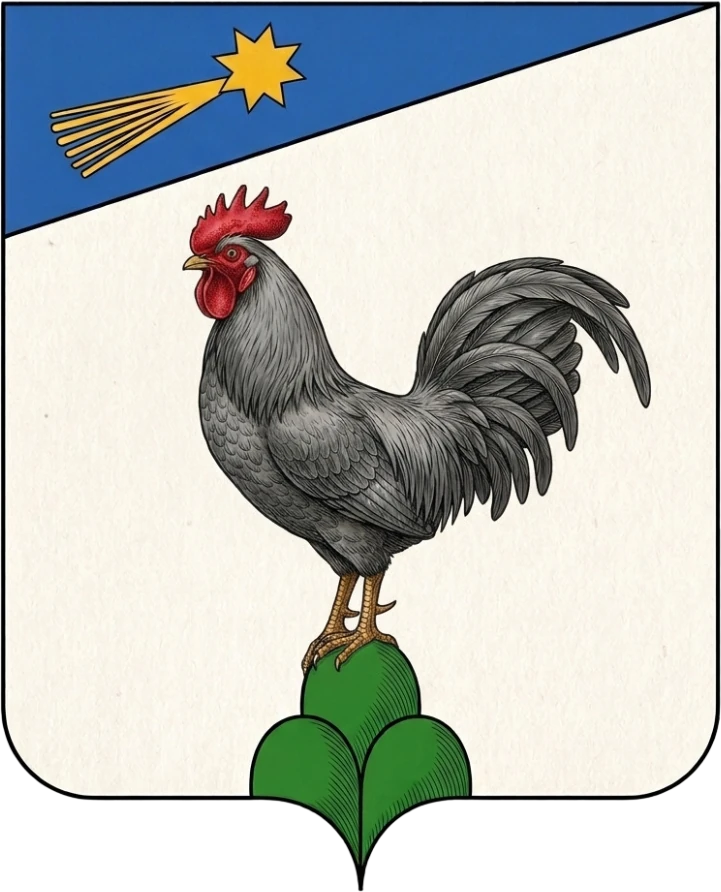
The history of the fief.
Marsiconovo — today named Marsico Nuovo — stands in inner Basilicata, in the upper Val d'Agri, at the foot of the Volturino massif. A town of ancient origin, it preserves the memory of its episcopal and feudal past: it was long a seat of diocese and administrative centre of the valley. Distinct from nearby Marsico Vetere, from which the toponym "new" takes its name, the town was erected into a Principality in the modern age.
The title of Prince of Marsiconovo followed the dynastic fortunes of the House of Pignatelli, intertwining with that of Moliterno, before joining, at the end of the 18th century, the descent of the House of Gallone.
Like Moliterno, the Principality of Marsiconovo is brought into the House of Gallone by the 1796 marriage of Maria Emanuela Pignatelli and Giuseppe Gerardo Gallone, 6th Prince of Tricase, after the economic collapse of her brother, Girolamo Pignatelli.
The title of Prince of Marsiconovo is then transmitted in the Gallone line — Giovanni Battista (6th Prince of Marsiconovo, 1848), Giuseppe (7th, 1868), Pietro Giovanni Battista "Gino" Gallone (1855–1931).
Unlike Moliterno — which remained in the main line down to Maria Bianca Gallone (1895–1982) and was then recognised to the Guerri dall'Oro Gallone — the title of Prince of Marsiconovo leaves the patrilineal line of the Princes of Tricase with Gino's generation.
Pietro Giovanni Battista "Gino" Gallone in fact cedes the title of Prince of Marsiconovo to his sister Maria Bianca Gallone (1852–1939) — not to be confused with her homonymous niece (1895–1982) — married in 1872 to Baron Francesco Compagna. From this union the title continues collaterally towards the Caracciolo–Vallone–Borghese descent (cousin branches).