Place · Family heart · Princely residence
Palazzo Gallone.
The residence of the Princes, since the 16th century.
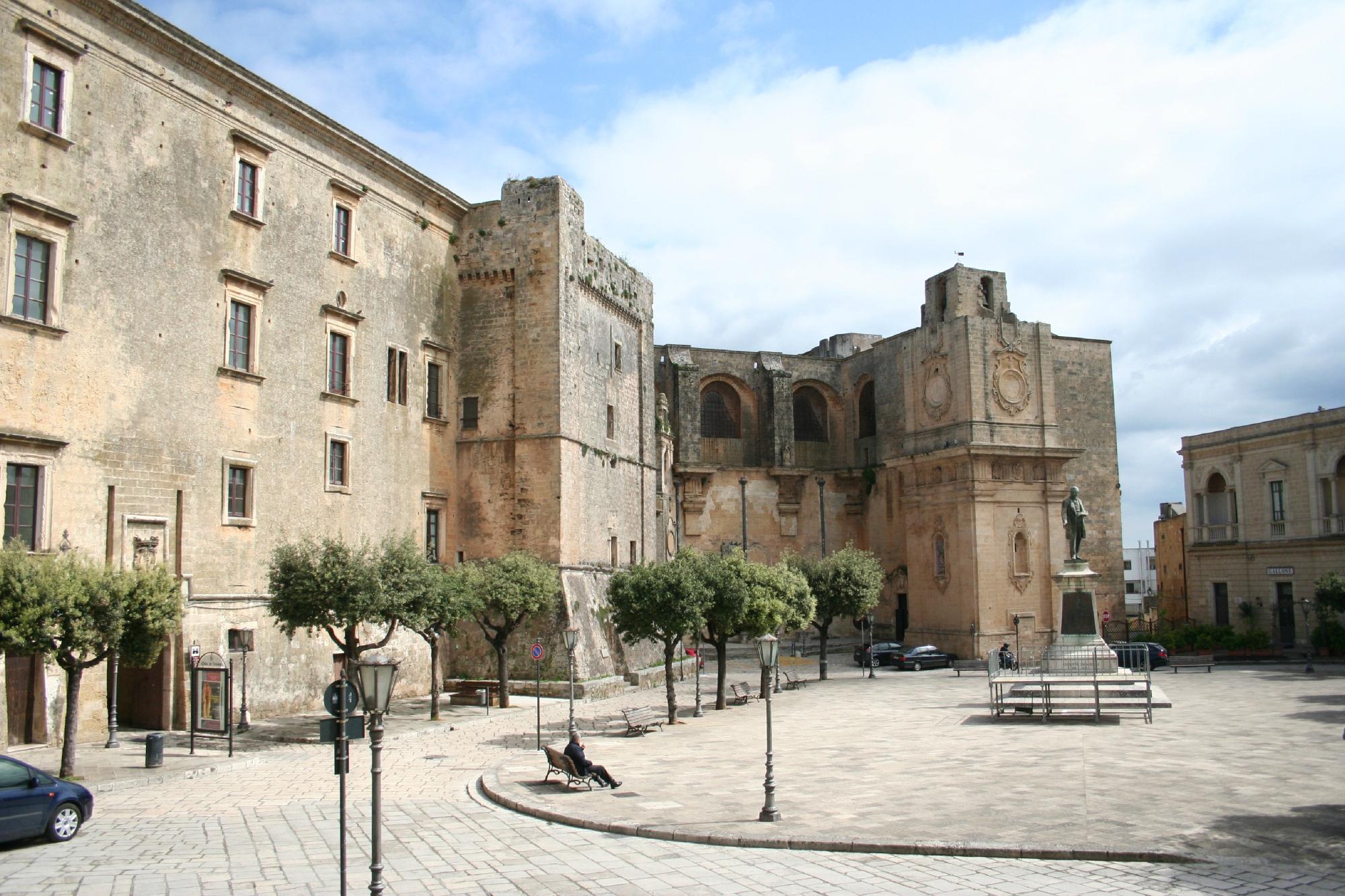
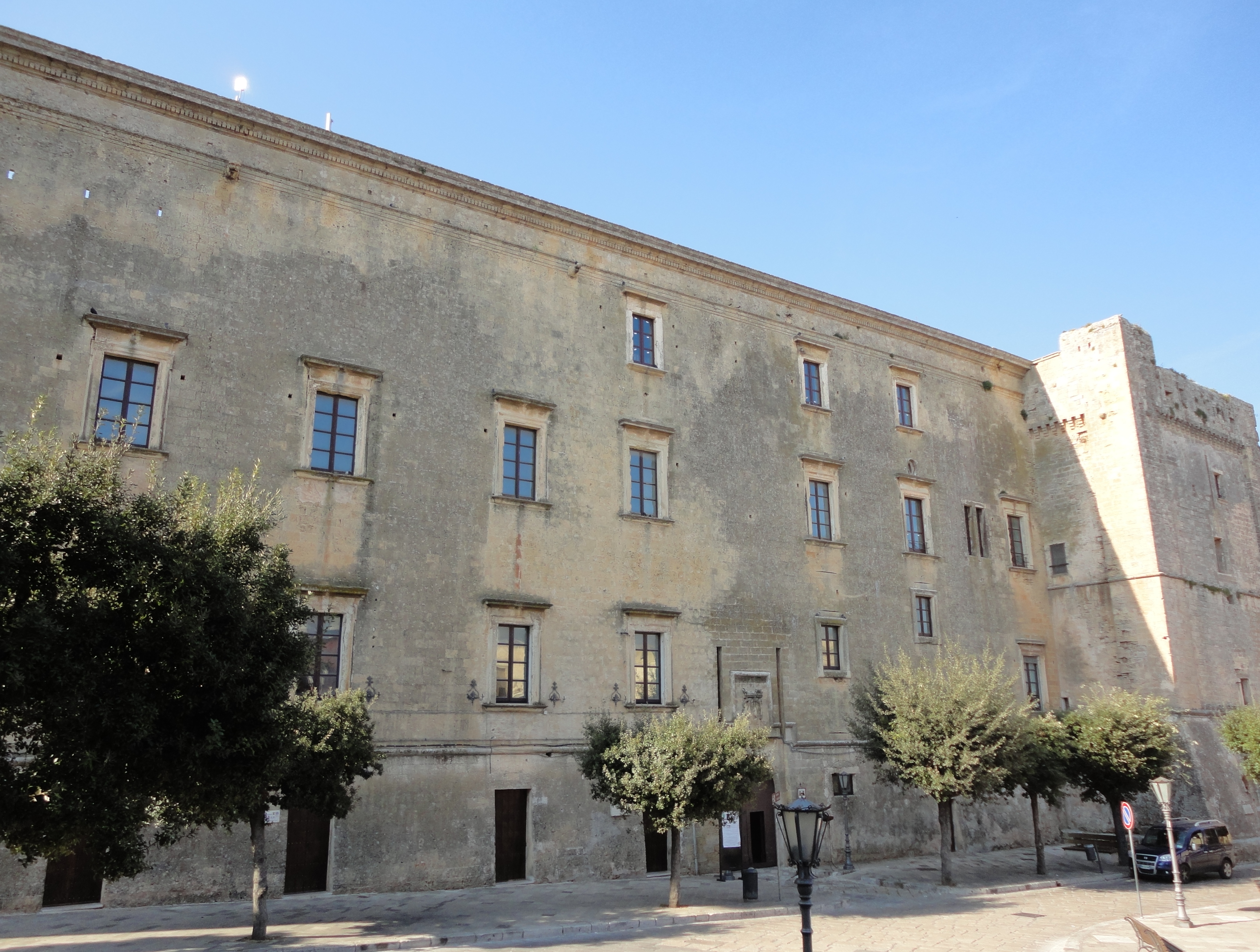
The Palazzo Gallone dominates the historic square of the town of Tricase. Princely residence of the family since the 16th century, it preserves the tower, the inner courtyard and the façade characteristic of the Salento palatial tradition.
History of the palace.
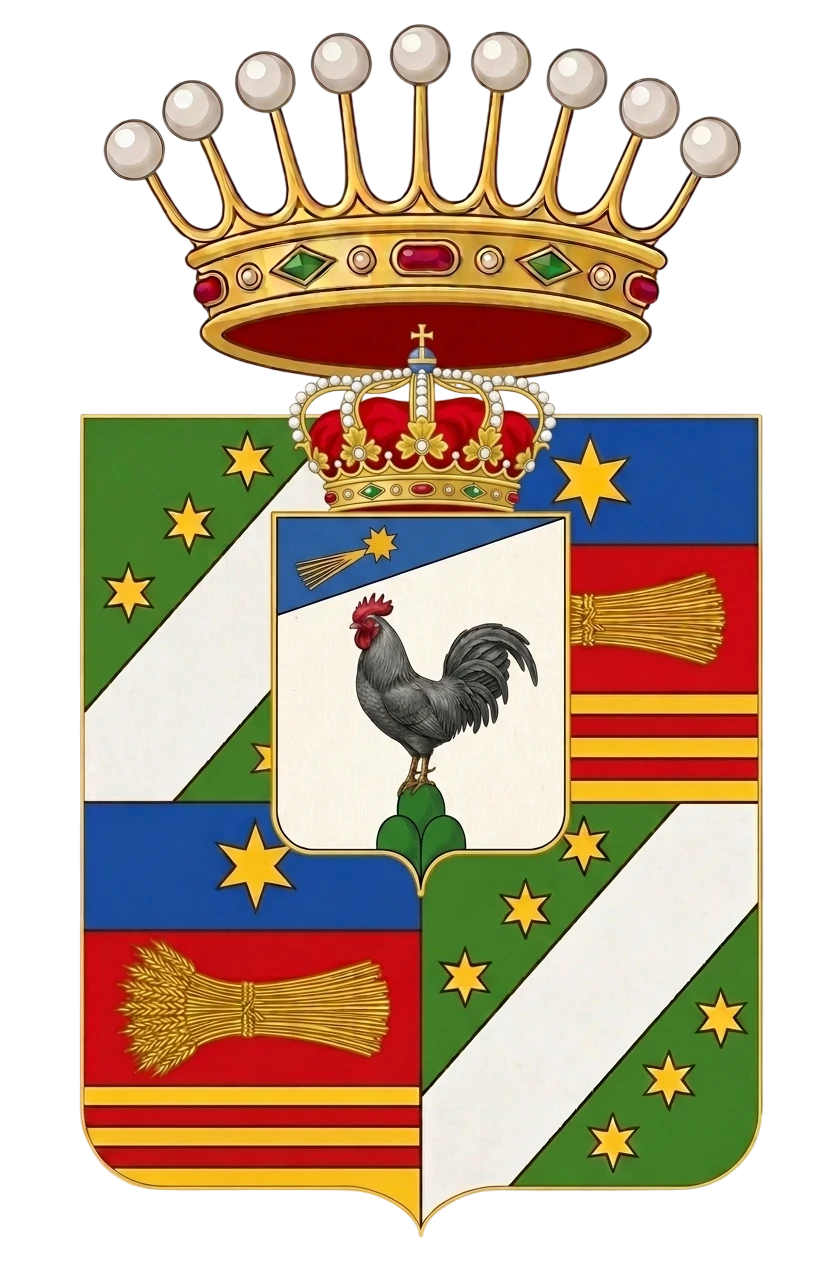
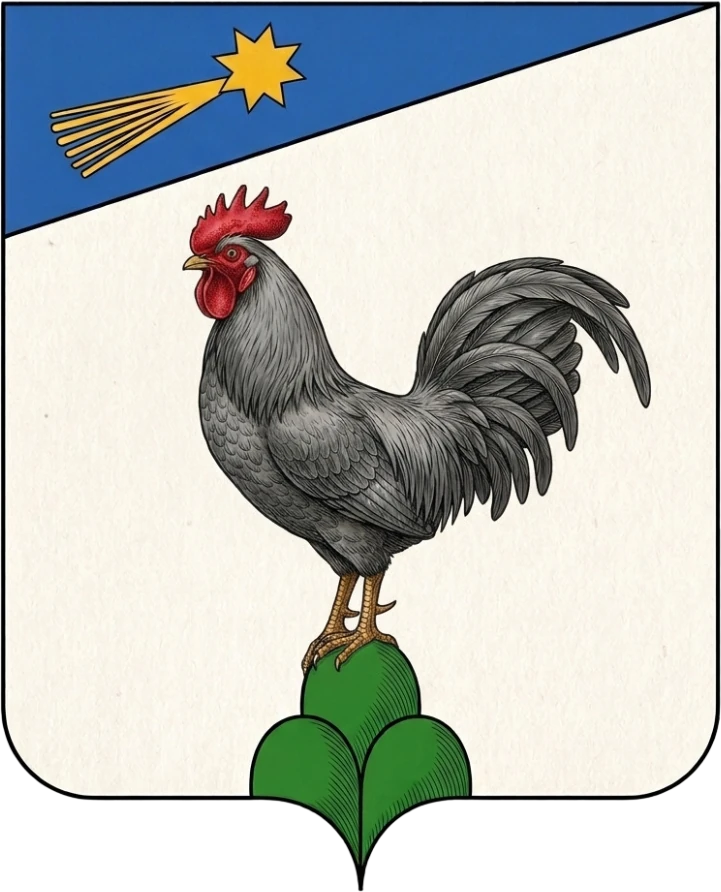
The Castle was enclosed within a walled circuit surrounded by a wide moat and had two gates: one towards the sea, the other towards the countryside. It was the Turks, as always, who almost completely destroyed this important work of defence, rebuilt about a century afterwards by the Gallone, whose arms are displayed on the main gate, where one can still see the two vertical slits along which the chains of the drawbridge slid.
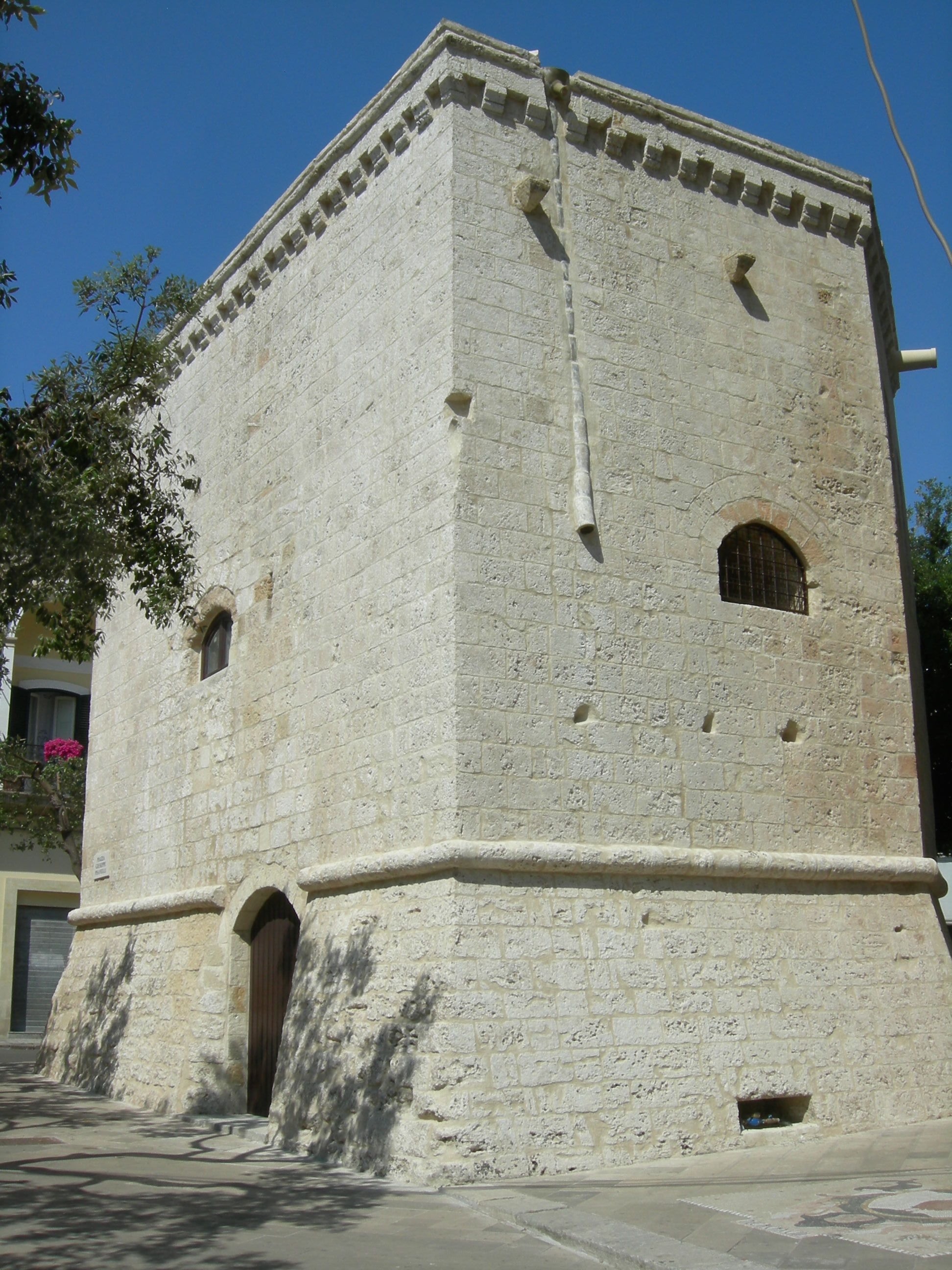
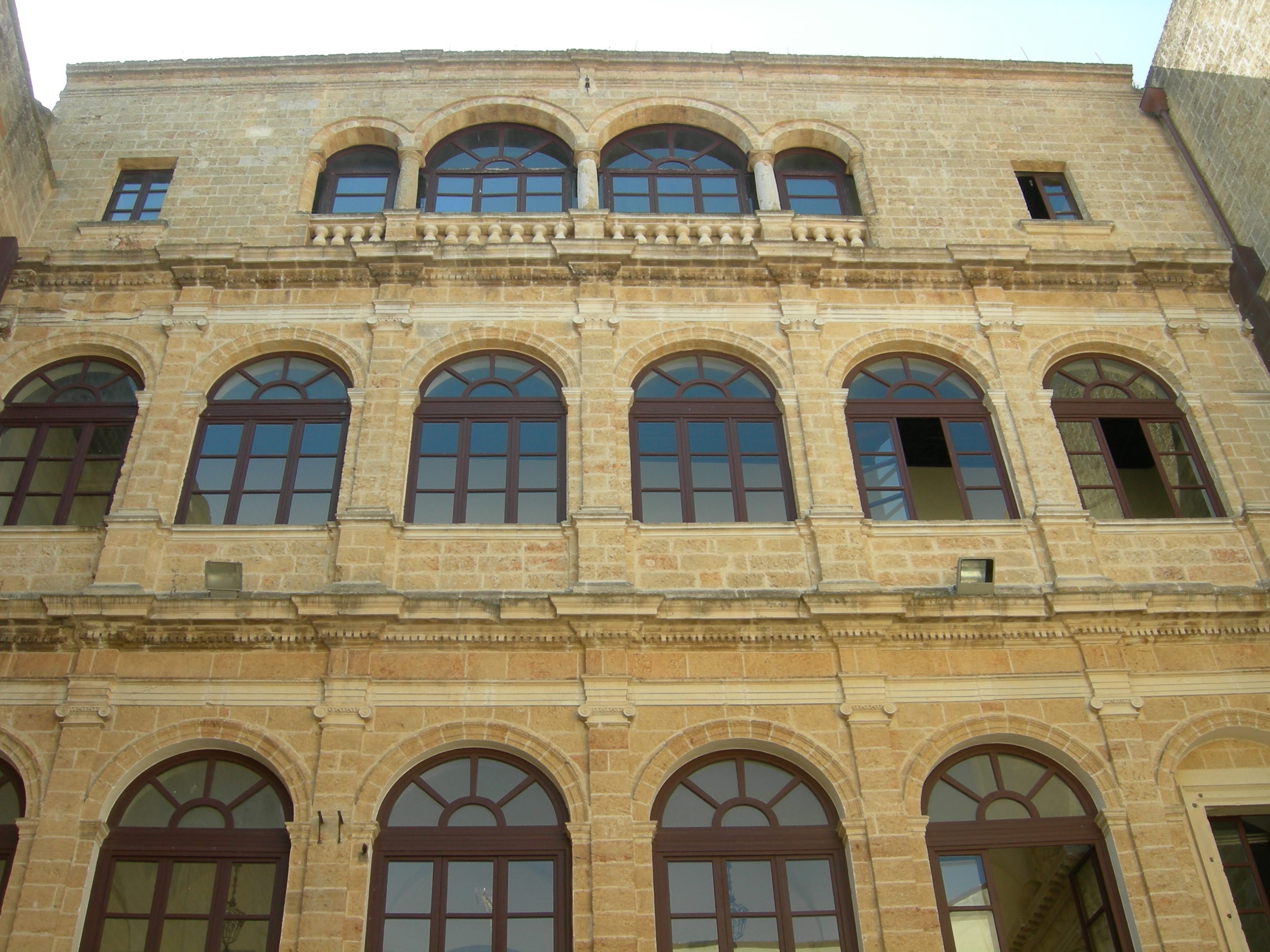
The Castle, or Palace of the Princes Gallone, stands out among the most significant monuments of Tricase. This grand princely palace consists of three main elements: the Tower, the Keep and the Body of the building itself. The first two parts are the oldest and still preserve the structures of the 14th century; the central core, built in 1661 by Stefano II Gallone, first Prince of Tricase, constitutes the body of the Castle.
The Palace, which has the aspect of palace and castle at once, like all the feudal castles of that time, was transformed into a dwelling by the Gallone Family. Tradition has it that Stefano II Gallone wished to make as many rooms as there are days in the year, and a hall called "of the throne", measuring 24.30 × 11.70 metres, large enough to hold more than a thousand people.
In the 1950s, the palace being among the assets for sale, it was bought by the Municipality of Tricase.
The monument to the illustrious Tricase native Giuseppe Pisanelli (1812–1879) is the work of the sculptor Antonio Bortone (1844–1938) of Ruffano (Lecce). The work was completed in 1924, but was only inaugurated in 1952 by Professor Giovanni Leone, later elected President of the Italian Republic.
Chronology of the palace.
On the map.
Gallery
The tower, the body, the interiors