Place · Conti Guidi · Tuscan origin
Modigliana.
The Romagnol cradle of the Conti Guidi.
A town of Tuscan Romagna, in the province of Forlì-Cesena. Domain of the Conti Guidi of Modigliana, a medieval branch from which descends the Tuscan line that would join the House of Guerri (later Guerri dall'Oro Gallone).
The history of the fief.
Modigliana stands in the middle valley of the Tramazzo, on the Romagnol slope of the Apennines, in an area historically known as Tuscan Romagna and today within the province of Forlì-Cesena. On the site of the ancient Roman Castrum Mutilum, destroyed during the barbarian invasions, the town was rebuilt in the early Middle Ages. According to tradition, it was here that around 923 the countess Engelrada married Tegrimo Guidi, giving rise to the dynasty of the Conti Guidi that would dominate Romagna and Tuscany for over four centuries.
The fortress of Modigliana — the so-called "Roccaccia" — was one of the cradles of Guidi power. Strengthened by imperial favour (diplomas of Frederick I, Henry VI and Frederick II), the Guidi controlled from here a vast Apennine territory dotted with castles. The growing conflict with Florence, determined to extend its contado and secure control of the Apennine arc, led to the decline of the lordship: after varying fortunes, Modigliana ended by submitting to Florentine rule in 1377.
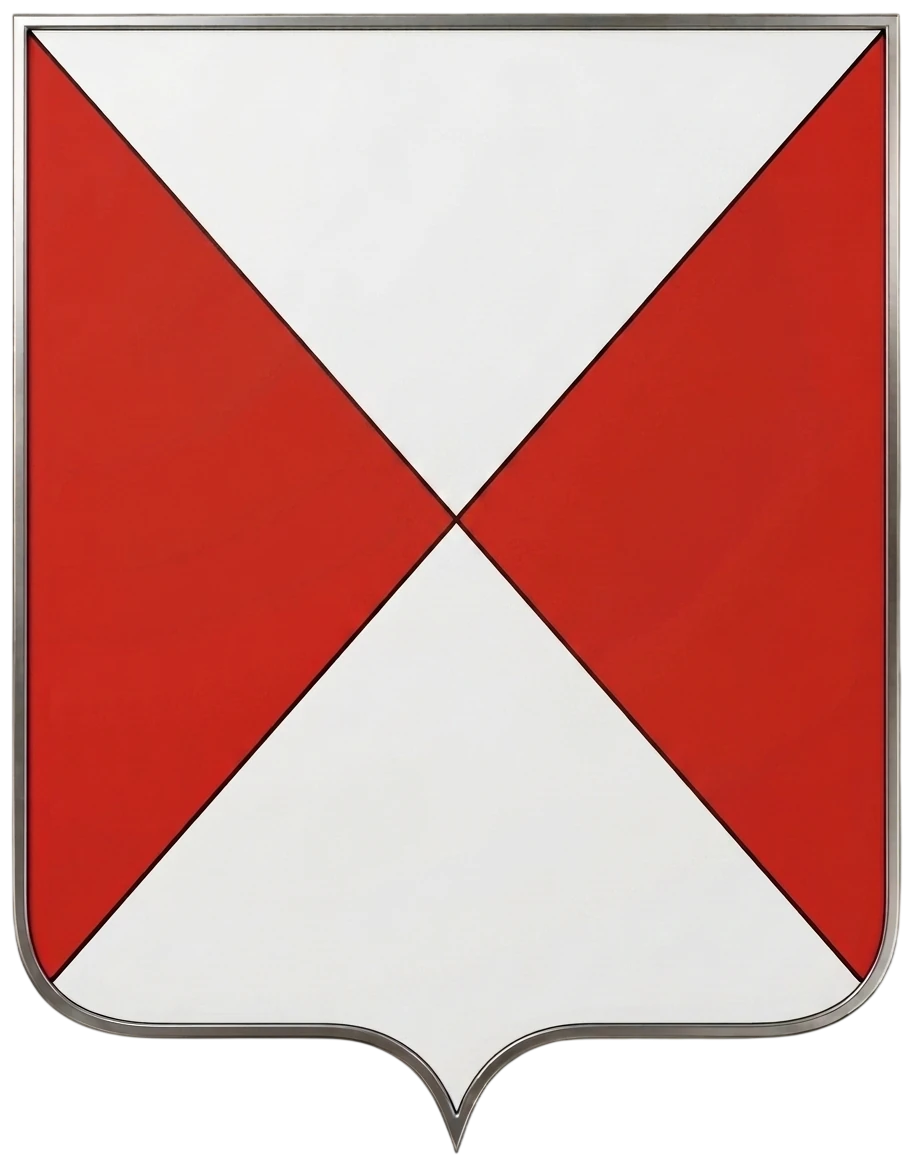
Modigliana was, together with Porciano, one of the seats of the Porciano-Modigliana branch of the Conti Guidi, among the most important and best-documented lines of the house in the 12th and 13th centuries. The fief was for a long time the Romagnol focus of Guidi rule, complementary to the Tuscan possessions of the Casentino.
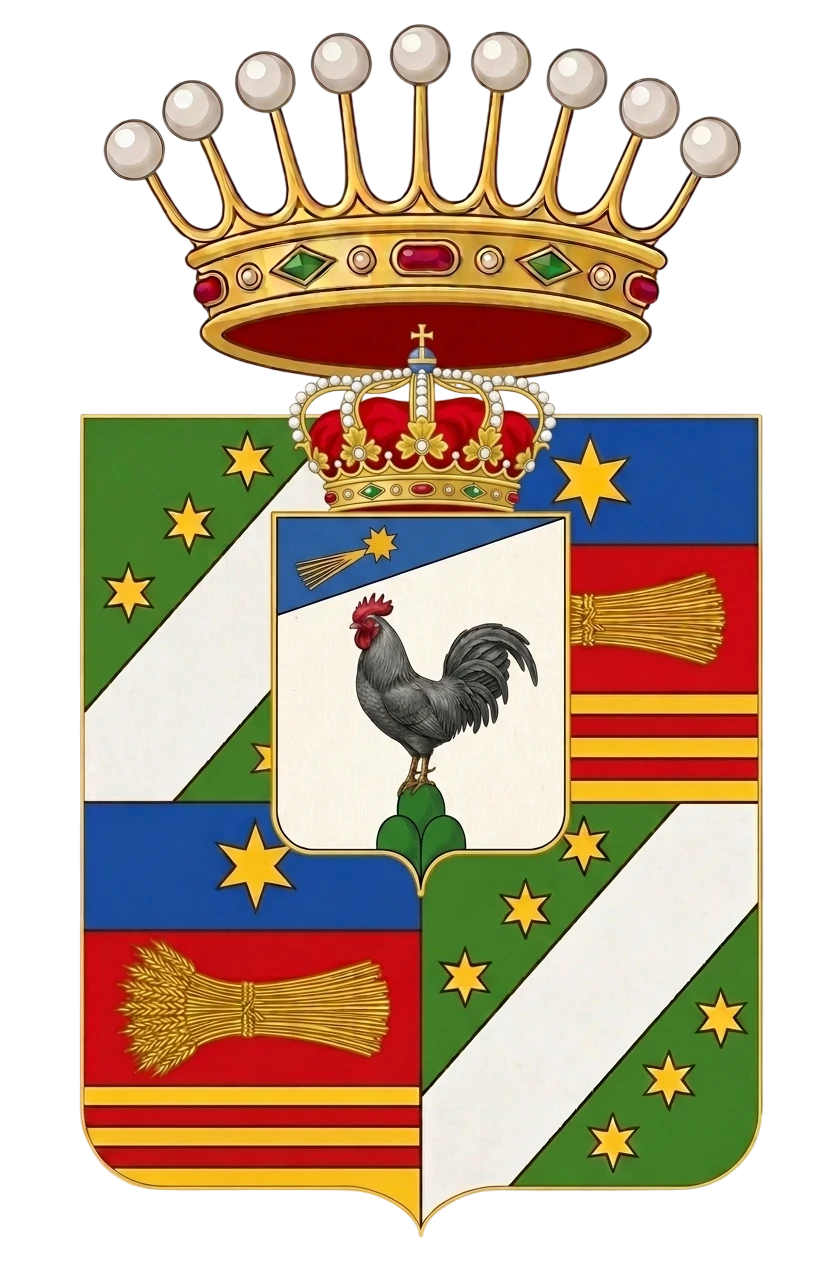
From this ancient stock descends, collaterally, the line that would join the House of Guerri, and then the House of Guerri dall'Oro Gallone. Modigliana thus represents, alongside Porciano, one of the family's remote origins, rooted in the feudal heart of medieval Tuscan Romagna.